
Industry
By introducing self-service appointment management within the client portal, Lovet empowered users to better manage their schedule. As a result, new client show rates increased to 91.5%, while existing clients reached 98%, exceeding business goals and improving both operational efficiency and user satisfaction.
THE PROBLEM
Following the 2025 rebrand of AZ Pet Vet into Lovet under The Aspen Group, 23 independent websites were consolidated into a single digital experience. This transformation introduced online scheduling for the first time, replacing a manual form submission process.
While this improved accessibility, brand cohesion, and overall information architecture, performance data revealed an issue:
New client show rates were ~85%, below the company goal of 90%+.
Business Challenge
Missed appointments led to lost revenue and underutilized operating capacity
High no-show rates disrupted hospital efficiency
Staff relied heavily on calls and texts to manage scheduling conflicts
User Pain Points
No easy way to reschedule or cancel appointments
Users with conflicts defaulted to no-shows
Some users booked duplicate appointments as a workaround
Lack of control created frustration and friction
Improving show rates would directly benefit revenue, staff workload, and patient care quality. Solving this required empowering users while maintaining operational stability for veterinary teams.
RESEARCH AND DISCOVERY
As part of the rebrand, the product team built comprehensive dashboards in Tableau to track key performance indicators across the business including show rates, fill rates, revenue per day, operating room capacity, NPS, and a whole host more.
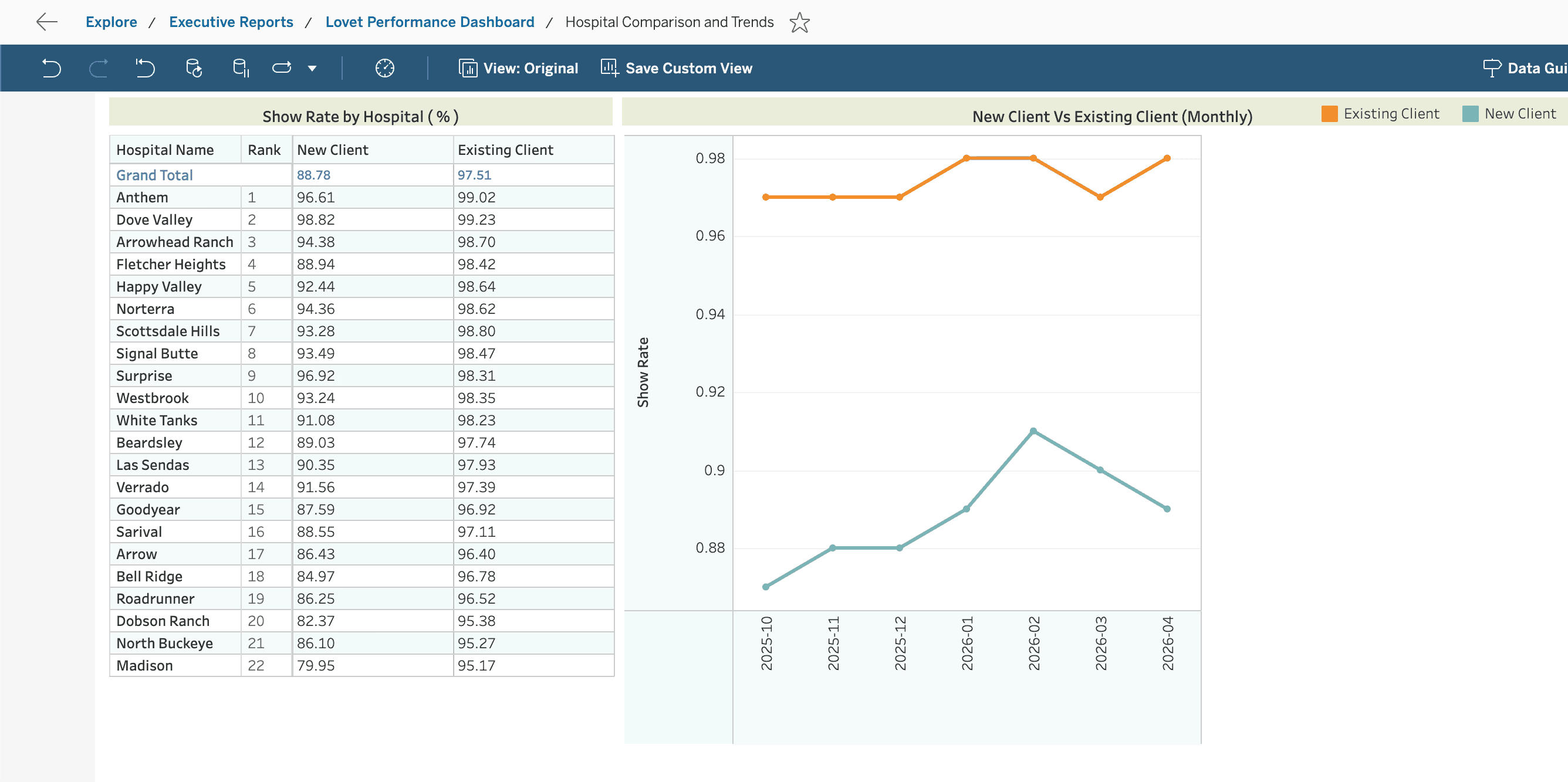
Through reviewing these dashboards that is where we found the new client show rates weren't at the desired number. Customers had interest in coming in but sometimes things change or personal lives get in the way and we weren't able to meet their demands of changing their appointment times on the fly.
These trends pointed to a gap in the current experience. While users could easily schedule appointments online, they had no equivalent way to modify them. Any change required contacting the clinic directly, which created friction for users and inefficiencies for staff.
Methods
Analysis of Tableau dashboards (show rates, cancellations, capacity)
Competitive benchmarking (veterinary + adjacent industries like restaurant and appointment platforms)
Insights team survey data (n = 600 users)
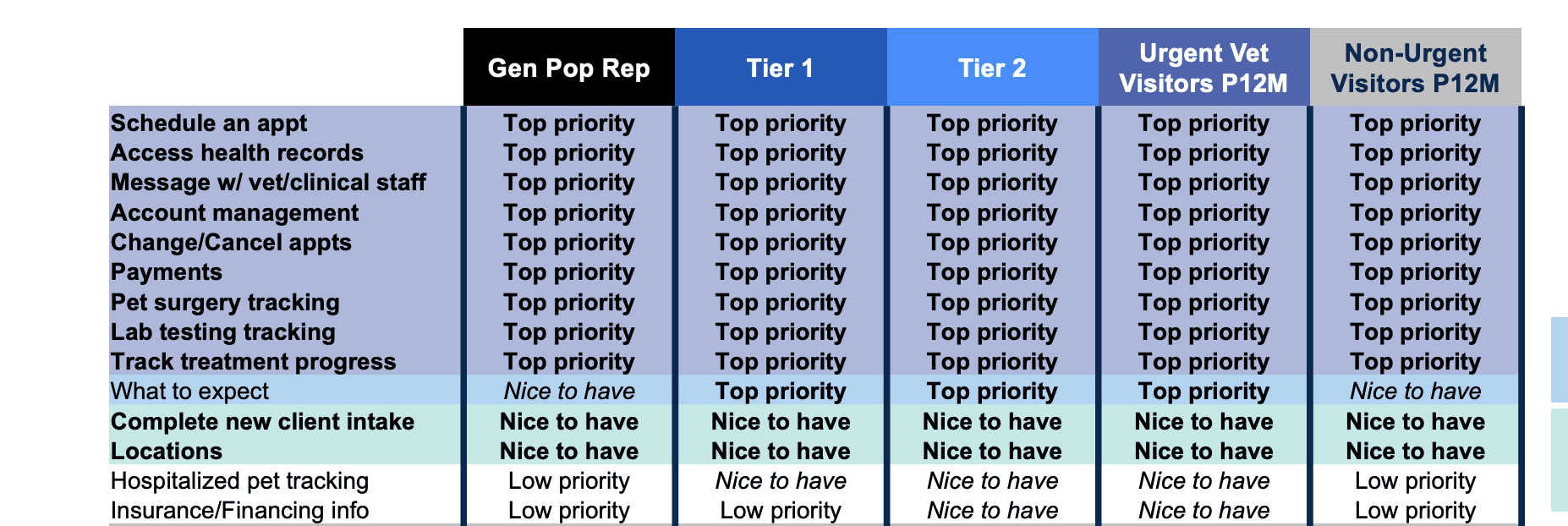
Some of the findings from our insights team
Key Findings
65% of users ranked rescheduling as a top 5 feature
Lack of flexibility led directly to missed appointments
Competitors prioritized easy modification flows to maintain engagement
Missing Tools
Users don't intend to miss appointments, the tools we gave them lacked the features they needed most.
01
Lagging Behind
We were lagging behind our competitors and what tools they gave to their customers. Customers want and expect to be able to manage appointments online at a moments notice.
02
Reduce Friction
We need to reduce the friction for customers to reschedule. All they can do is call, but nowhere did we arm the user with that knowledge or empower them to make the changes they needed.
03
DESIGN PROCESS
Problems to solve
Reduce no-shows and same-day cancels by allowing people a way to digitally manage appointments
Reduce amount of time staff spends rescheduling clients
Free up near-term appointment availability
Reduce the frequency of people scheduling multiple appointments for the same pet
Ideation
I explored ways to introduce flexibility without overwhelming veterinary staff or disrupting operations. Key questions included:
Enablement
How might we enable rescheduling without increasing complexity for the client?
Considerations
What guardrails are necessary to protect staff workflows?
Key Design Decisions
Self Service
The tool should be Self-service allowing users to make decisions on their own without help from the hospital, giving flexability.
Two Way Street
Cancelling or rescheduling affects both the client and the staff. So for this reason we won't allow changes within 24 hours of the appointment and we will limit it to specific visit reasons. This only effects about 25% of all appointments.
(Note: Clients can call to reschedule appointments that are outside the limits, those being: surgery, vaccine booster, tech, and groomer)
Design Direction
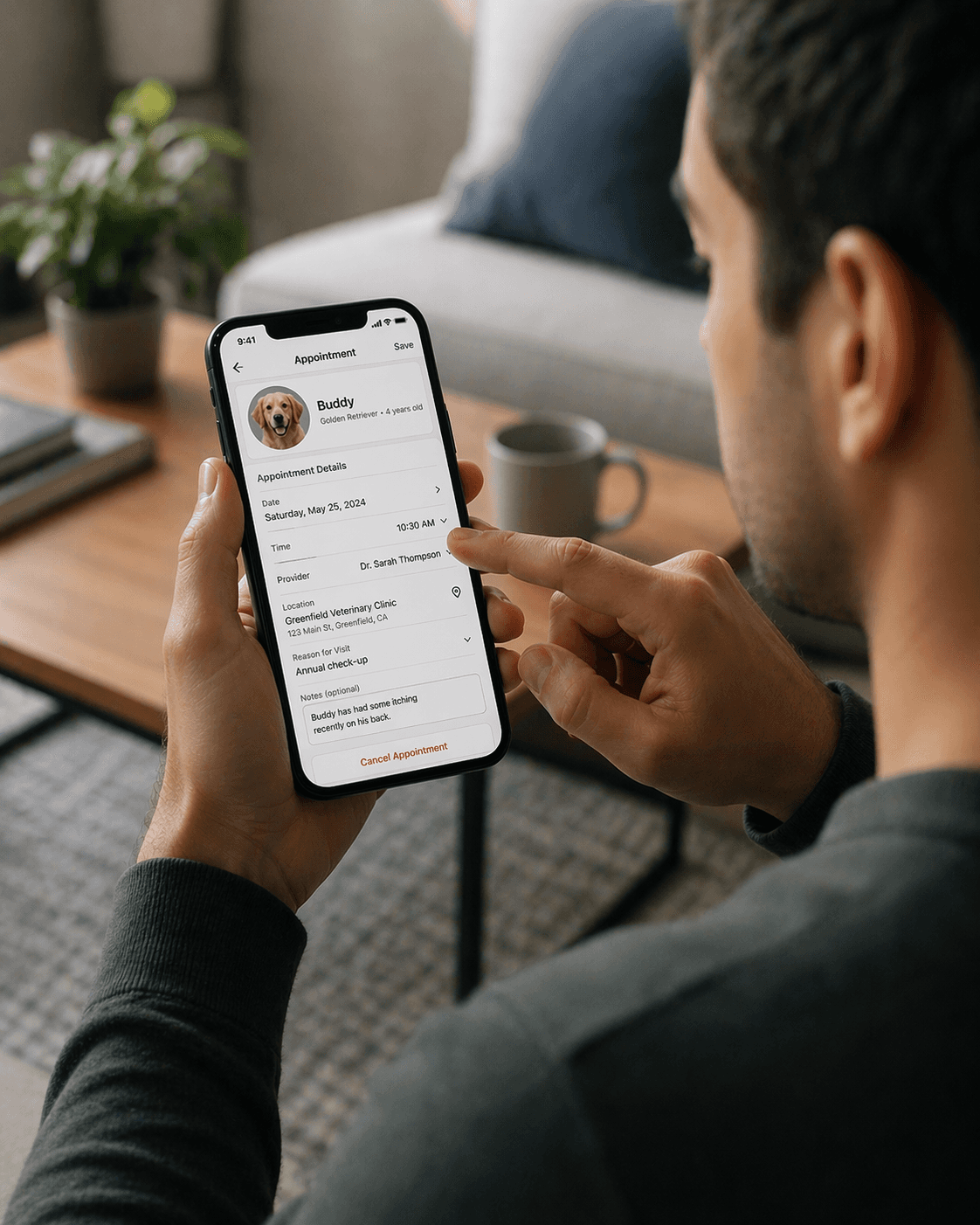
I focused on embedding appointment management and rescheduling directly into the client portal, this kept users in a single, controlled ecosystem.
Design & Learn
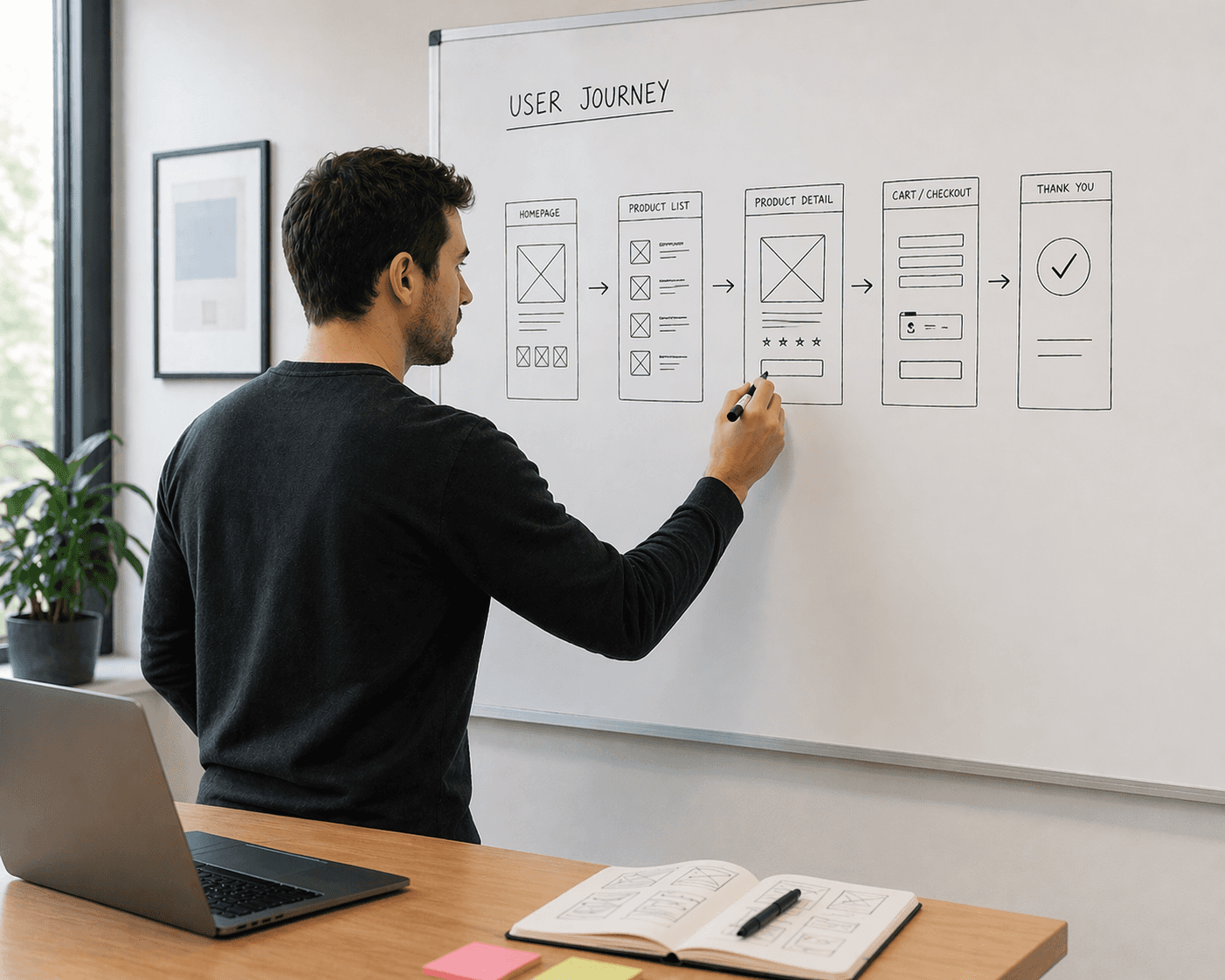
I created lowfi designs to help visualize the user flow to my product manager and then tested using Userlytics.com to make sure that clients would be able to understand the workflow.
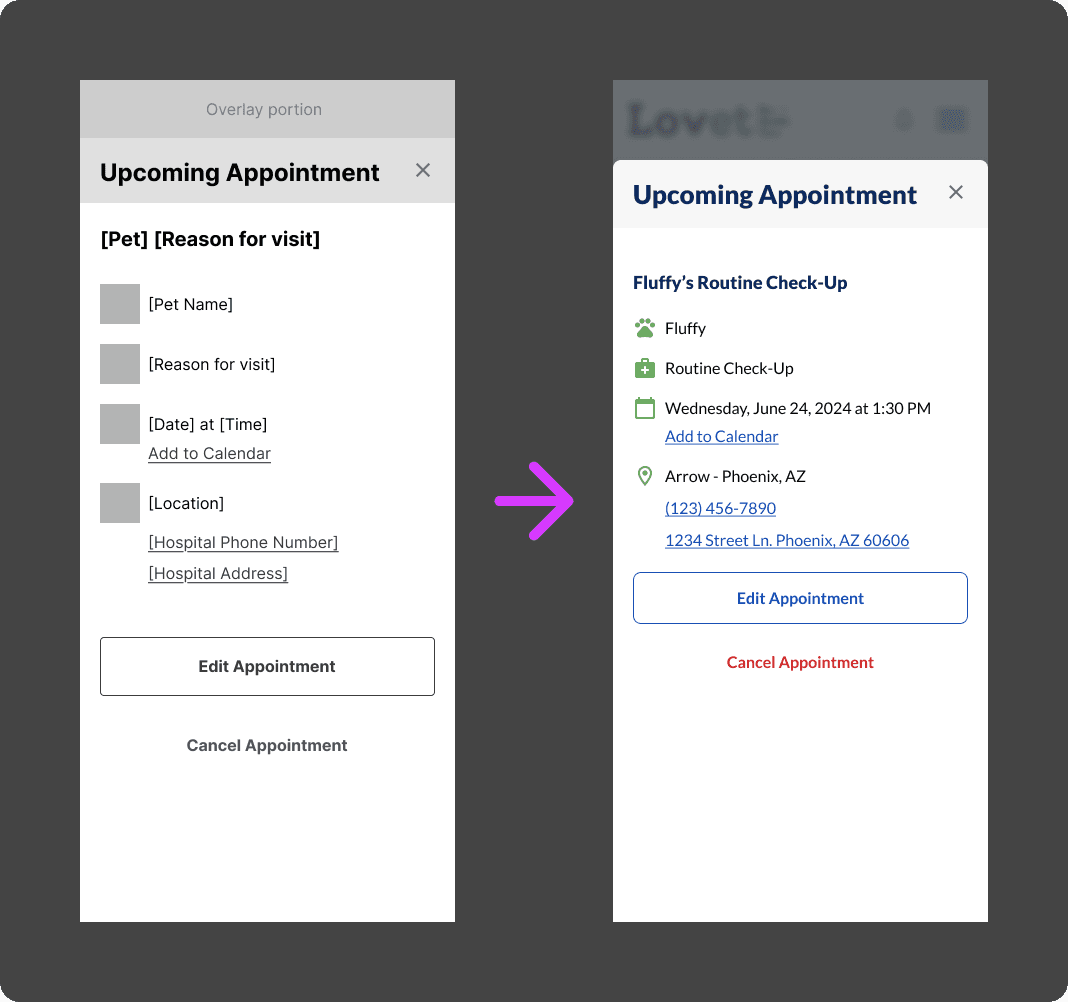
Userlytics Testing
Through testing I found a few key details that solidified that I was on the right track in terms of design direction and user flow.
6 Users via Userlytics
Task Completion Time
Completion Rate
Some feedback we heard was
Userlytics Tester | Age 39 | Mobile
SOLUTIONING
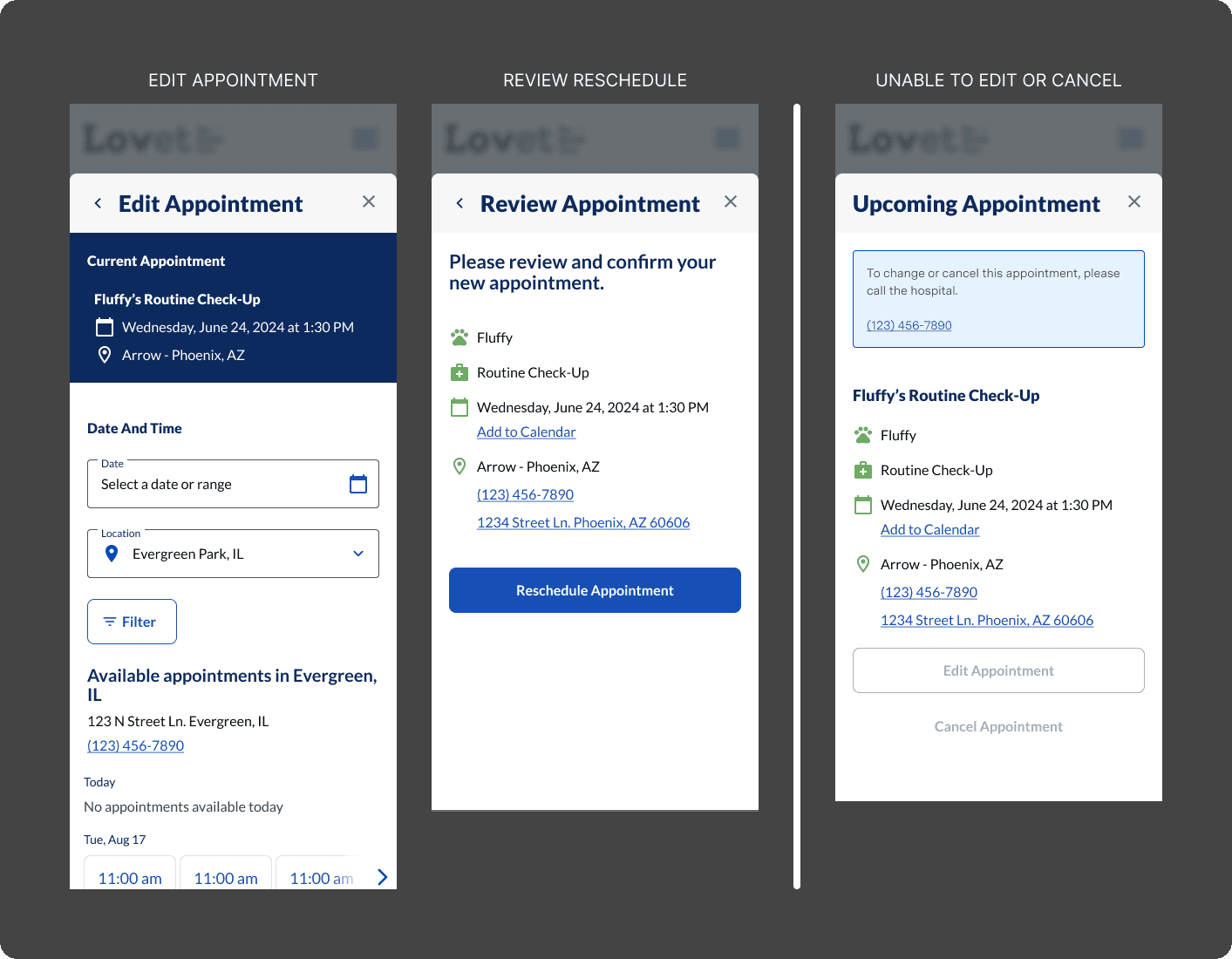
Final Designs
A fully integrated appointment management system within the Lovet client portal, allowing users to:
Reschedule eligible appointments
Cancel appointments when necessary
Instantly see updates reflected in their account
Additional Key Features
In-portal appointment management (no external flows)
Real-time updates via Vetspire integration
Automated confirmations after a client makes changes, via Email
Guardrails to protect staff and operations
Future Considerations
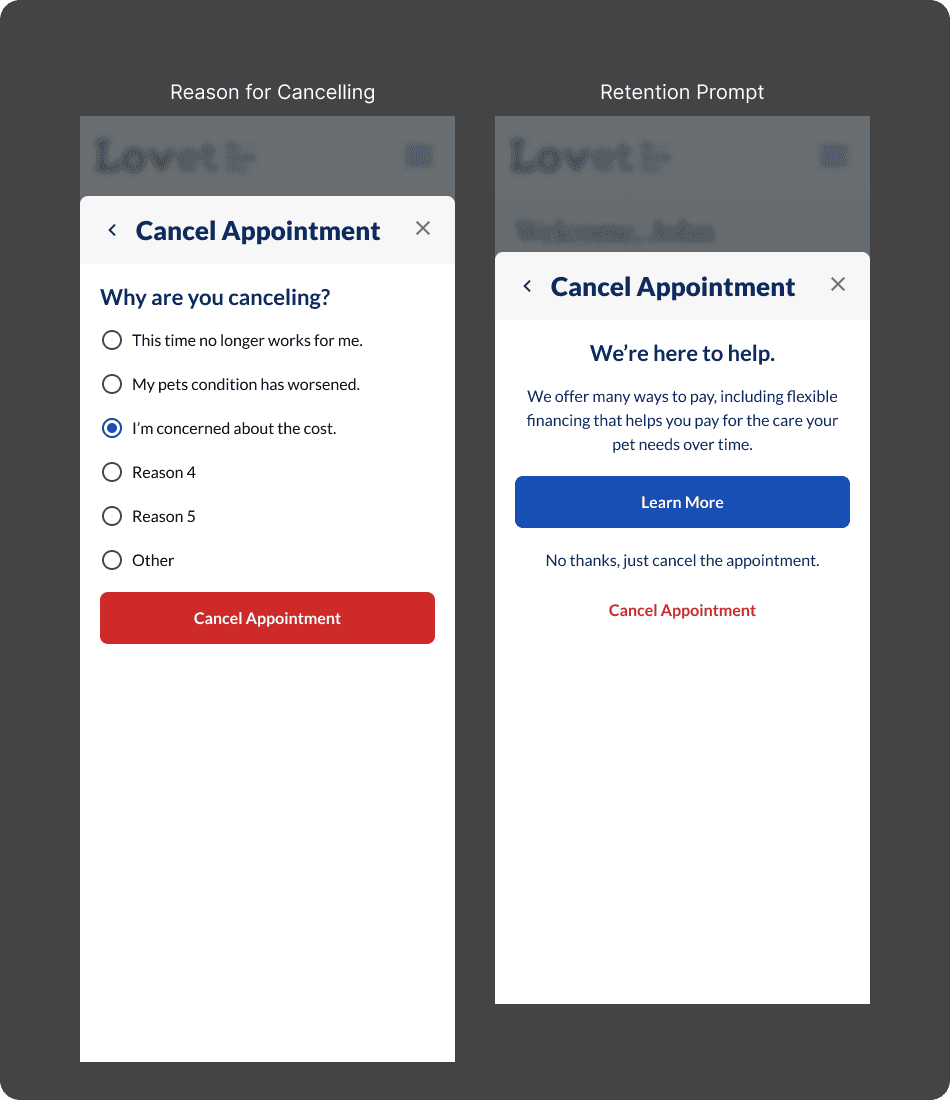
A cancellation retention flow
Ask users why they’re canceling
Offer tailored solutions (reschedule, cost-saving options, urgent care contacts)
Capture valuable user insights
IMPACT AND RESUTLS
~2,700 reschedules/cancellations in Q1 2026
14% reduction in cancellation + no-show rates
New client show rate increased to 91.5%
Existing client show rate reached 98%
Business Outcomes
Increased revenue through improved appointment utilization
Reduced operational burden on staff
Improved near-term appointment availability
User Impact
Greater control and flexibility
Reduced frustration and missed appointments
Lessons Learned
Small UX improvements can drive significant business impact
Guardrails are critical in operationally complex systems
Flexibility is a key driver of user accountability
What I’d Do Differently
Introduce the cancellation retention flow earlier
Advocate more for the user earlier, we often get in a crunch of "do what product says" but sometimes the best thing you can do is stand up for the user and be champions of what they need most. That way we don't have to do re-work later.